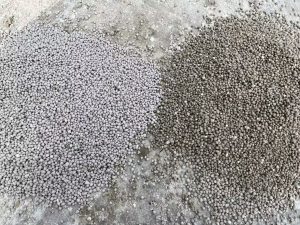
Organic farming has gained significant popularity due to its eco-friendly and sustainable approach to agriculture. One of the key components of successful organic farming is the use of organic fertilizers. Unlike chemical fertilizers that can harm the environment and reduce soil fertility over time, organic fertilizers enrich the soil, promote biodiversity, and produce healthier crops. For large-scale agricultural operations, producing organic fertilizer in substantial quantities becomes essential. In this comprehensive guide, we will explore the process of making organic fertilizer for large-scale capacity, outlining the steps and ingredients involved.

organic fertilizer production line
1. Selection of Raw Materials
The first step in creating organic fertilizer on a large scale is to carefully select the raw materials. The success of the fertilizer production depends on the right balance of nutrients and the proper decomposition rate of the ingredients. Commonly used raw materials include:
- Animal Manure: Livestock waste such as cow dung, poultry manure, and pig manure are rich sources of nitrogen, phosphorus, and potassium.
- Crop Residues: Leftover plant materials, such as straw, stalks, and husks, contribute carbon and other essential nutrients.
- Green Waste: Grass clippings, leaves, and vegetable waste are excellent sources of nitrogen.
- Food Waste: Fruit and vegetable peels, coffee grounds, and kitchen scraps can add valuable nutrients to the compost.
- Seaweed: For coastal areas, seaweed is a fantastic source of trace minerals.
2. Composting
Composting is a vital process that converts the selected raw materials into nutrient-rich organic fertilizer. Large-scale composting requires space and proper management. Here are the steps involved:
- Pile Formation: Create large compost piles by layering the different raw materials. The pile’s size should be substantial to generate enough heat for efficient decomposition.
- Turning: Regularly turn the compost to aerate it and provide oxygen to the microorganisms responsible for the decomposition process. This step accelerates the composting time.
- Moisture Management: Maintain the compost’s moisture content to ensure the microorganisms work optimally. Too much water can cause the pile to become anaerobic, leading to unpleasant odors.
3. Vermicomposting
Another effective method for large-scale organic fertilizer production is vermicomposting. This process involves using earthworms to break down organic materials. Vermicomposting has several advantages, such as faster decomposition, higher nutrient content, and improved soil structure.
- Worm Selection: Choose appropriate composting worms, such as red wigglers (Eisenia fetida), which are highly efficient in breaking down organic matter.
- Bed Preparation: Set up large vermiculture beds with a mix of organic materials and bedding for the worms.
- Maintenance: Regularly add organic waste to the beds and manage moisture levels. Harvest the vermicompost once it reaches maturity.
4. Fermentation (Anaerobic Digestion)
Fermentation, also known as anaerobic digestion, is an alternative method for producing organic fertilizer on a large scale. This process involves the breakdown of organic materials in the absence of oxygen, resulting in the generation of biogas and nutrient-rich digestate.
- Biogas Production: The anaerobic digestion process produces biogas, which can be captured and used as a renewable energy source.
- Digestate Management: The remaining nutrient-rich digestate can be further composted or used directly as liquid fertilizer.
5. Nutrient Analysis
Throughout the organic fertilizer production process, regular nutrient analysis is crucial to ensure the final product meets the specific nutritional requirements for the target crops. Proper nutrient balance is essential for healthy plant growth and optimal yields.
6. Packaging and Storage
Once the organic fertilizer is ready, it needs proper packaging and storage. Use durable and eco-friendly materials for packaging. Store the fertilizer in a dry, cool place to maintain its quality.
Conclusion
Producing organic fertilizer on a large scale requires careful planning, proper management of raw materials, and adherence to environmentally friendly practices. Whether through composting, vermicomposting, or anaerobic digestion, the end goal is to create nutrient-rich organic fertilizer that enhances soil fertility and supports sustainable agriculture practices. By making organic fertilizer a cornerstone of large-scale farming operations, SX can promote ecological balance, protect the environment, and ensure a healthier future for generations to come. Click https://www.fertilizerproductionproject.com/organic-fertilizer-production-project/ to get more information.