How Does a High Speed Industrial Food Packaging Equipment Support Safety and Quality Control in Processing?

A snack factory, a frozen food plant, or a high-volume producer that packs at speed needs a machine that fills accurately and stays hygienic. The high speed industrial food packaging equipment for food plants uses a vertical film roll system and a multihead weigher, and that design supports safety and quality. This article explains how the machine protects the food processing result.
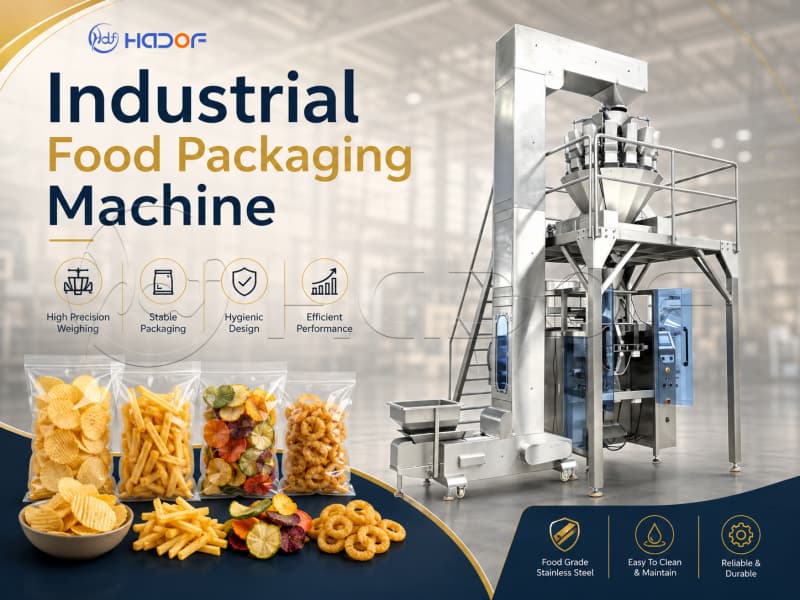
high speed industrial food packaging equipment

How Does the Weigher Protect Quality?

The multihead weigher divides the product into accurate portions, so each bag holds the right weight and the pack looks even. The automatic high speed packaging machine with a multihead weigher reduces the over-fill and the under-fill that a manual scale causes. This accuracy is the food manufacturing quality that the packing step delivers.

How Does the Sealing Protect Food Safety?

The vertical film roll system forms and seals each pouch in one pass, so the product stays sealed and protected. The high speed vertical film roll packaging for snacks keeps the seal tight, which lowers the leakage and the contamination risk. This seal is the food safety step that the packaging must provide.

How Does the Machine Connect With Frying?

A packing machine works best when the fried and cooled product arrives at a steady rate, because gaps force the sealer to idle. The machine connects with a continuous fryer for a packaging quality line, a seasoning machine, and a cooling stage. A smooth connection keeps the food processing system moving.

How Should a Buyer Match the Capacity?

The machine packs about 25 to 50 bags per minute, which fits a high-volume plant that runs a steady line. A buyer matches the capacity to the daily output. This match keeps the food machinery cost proportional to the real volume.

How Should a Buyer Verify the Machine?

Food packaging rewards a trial with the plant’s own product, because weight and film change the seal. You can review the high speed packaging equipment manufacturer before a purchase, and that review shows the weigher and service. A measured run turns the food machinery decision into a dependable result.

How Does the Film Quality Support the Seal?

The packaging film quality changes how cleanly the jaw seals, because a thin or stretched film leaks while a matched film holds the seal. A plant that checks the film roll and the tension keeps the packs tight and the rejects low. This detail is the food preparation step that the packing quality depends on. A buyer who tests the film first makes a more dependable food machinery choice.

Conclusion

A high speed industrial food packaging equipment supports safety and quality by keeping the weigher accurate, the seal tight, and the line connection steady. These choices keep the food production line packing safely. A well sealed bag therefore keeps the product protected and the pack even. A stable seal also keeps the product fresh through the supply chain. A matched weigher also lowers the product giveaway across the shift. If you have interests, you can learn more about https://www.friedfoodsolutions.com/industrial-food-packaging-machine/

How Should a Factory Layout an Industrial Fresh Garlic Processing Line for an Efficient Large-Scale Production Line?

A peeled garlic factory, a garlic powder producer, or a large food plant that processes fresh garlic needs a layout that keeps the flow from bulb to pack. The industrial fresh garlic processing line for a large-scale plant joins sorting, separating, peeling, washing, drying, and packing, and the arrangement decides the efficiency. This article explains how a factory lays out the line for food processing.

industrial fresh garlic processing line

How Does the Layout Keep the Garlic Moving?

A straight layout moves the bulbs from sorting and separating to peeling, washing, drying, and packing, so no manual handoff interrupts the flow. The automatic garlic processing line with separating and peeling keeps each stage fed at a matched speed. A short, straight path keeps the food manufacturing flow efficient and the team small.

How Do Drying and Sorting Fit the Layout?

The drying and color sorting sit after the washing, so the peeled cloves leave clean and dry before packing or slicing. The fresh garlic processing system with drying and sorting places these steps close together, which keeps the moisture low and the color even. This arrangement protects the food preparation quality of the peeled garlic.

How Does the Line Connect With Drying Equipment?

A garlic line works best when the washed cloves move directly to drying, because wet cloves spoil and clump. The line connects with an air dryer for a garlic processing line, a color sorter, and a packer. A smooth connection keeps the food processing system moving at large scale.

How Should a Factory Plan the Space?

A large line needs room for the separator, the peeler, the washer, the dryer, and the packer, plus the conveyors between them. The factory plans the power, the drainage, and the product flow first, so the machines do not crowd the floor. This planning keeps the food machinery efficient across a full shift.

How Should a Buyer Verify the Layout?

Garlic processing line layout rewards a supplier that offers engineering and service support, because the line must fit the workshop. You can review the fresh garlic processing line manufacturer before a purchase, and that review shows the engineering and spare parts. A measured plan turns the food machinery layout into an efficient line.

How Does Automation Reduce the Garlic Line Labor?

The separator and the peeler remove the manual bulb breaking and skin rubbing, so the workers move to sorting and packing where judgment still matters. This automation is the food production saving that a large garlic line delivers. A plant that plans the staffing around these machines gains the full labor benefit. This change keeps the line lean and the output steady.

Conclusion

A factory lays out an industrial fresh garlic processing line by keeping a straight path from sorting to separating to peeling to drying to packing. These choices keep the large food production line efficient. A well planned line therefore stays productive across the full shift. A measured layout also shortens the cleaning route between product changes. If you have interests, you can learn more about https://www.hadofps.com/solutions/fresh-garlic-processing-line/

How Does an Industrial Mini Continuous Fryer Machine Handle Leafy Vegetables in a Commercial Processing Line?

A snack factory, a pilot plant, or a growing fried food producer that wants to fry leafy vegetables in a small space needs a machine that moves product continuously. The industrial mini continuous fryer machine for leafy vegetables carries greens through a controlled oil bath on a stainless mesh belt, and its compact frame fits a commercial line. This article explains how the fryer handles leafy produce and keeps a food processing line steady.

industrial mini continuous fryer machine

How Does the Mesh Belt Handle Leafy Vegetables?

The stainless steel mesh belt carries the product through the oil while the upper and lower belts keep it submerged, so light leaves stay under the oil instead of riding the surface. The small continuous fryer with electric, gas, or steam heating holds a steady temperature, so each piece fries evenly. A matched belt speed keeps the leafy product from over-frying or sticking. This control protects the food preparation quality of delicate greens.

How Does Capacity Fit a Small Commercial Line?

The mini fryer produces about 150 to 500 kg/h, which fits a small factory, a pilot plant, or a growing snack processor. The compact fryer for a commercial processing line supports a 200 mm or 400 mm mesh belt, so the line width matches the product and the floor. A buyer who matches the capacity to the daily output avoids running an oversized fryer at half load. This match keeps the food machinery cost proportional to output.

How Does the Fryer Connect With Washing and Seasoning?

A fryer works best when washed and drained greens arrive on the belt and the fried product leaves directly to seasoning or cooling. The machine connects with a washer, a vibrating drainer, and a seasoning or packing station, and each handoff keeps the product moving. A smooth connection removes the labor of batch loading and unloading. This layout turns frying into a continuous food production step.

How Should a Buyer Verify the Fryer Before Purchase?

A buyer checks the heating source, the belt width, and the temperature control, because those decide the fry quality and the operating cost. A trial with the plant’s own leafy product shows the real frying time and color. This check keeps the food equipment matched to the recipe.

How Should a Factory Evaluate the Supplier?

Deep frying rewards a supplier that offers service and spare parts, because a fryer runs hot and needs maintenance. You can review the mini fryer equipment manufacturer before a purchase, and that review shows the engineering support. A measured trial turns the food machinery decision into a dependable choice.

How Does the Fryer Protect Leafy Vegetable Texture and Color?

Leafy vegetables brown fast, so the fryer must hold the oil at a steady temperature and move the product through at a matched speed. The compact fryer keeps the leaves submerged on the belt while the upper and lower mesh layers hold them in place, and the operator sets the frying time to the leaf thickness. A short, even pass preserves the crisp texture and the green color that the snack market expects. This control turns a delicate food preparation step into a repeatable result, and a buyer who checks the temperature and belt speed protects the final food product quality across every batch. A related vibrating drainer for a mini fryer line completes the same processing line.

Conclusion

An industrial mini continuous fryer machine handles leafy vegetables by keeping them submerged on a moving belt at a steady temperature, and its 150 to 500 kg/h capacity fits a small commercial line. These features keep the food production line steady and the product even. If you have interests, you can learn more about https://www.friedfoodsolutions.com/mini-continuous-fryer-machine/