How To Start Goat Manure Composting

Composting goat manure is a beneficial and sustainable way to convert the waste into nutrient-rich organic matter that can be used as fertilizer. Here are the steps to effectively compost goat manure:

Goat manure fertilizer making plan

Goat manure fertilizer making plan

Collection and storage

Collect the goat manure from the barn or pasture areas. It is best to collect the fresh sheep manure on a regular basis to prevent excessive accumulation and to maintain cleanliness. Store the manure in a designated area for goat manure composting.

Carbon-rich materials

To balance the nutrient content and improve composting, mix the goat manure with carbon-rich materials such as straw, hay, wood chips, or dried leaves. This helps create a favorable carbon-to-nitrogen ratio for goat dung decomposition.

Composting method

Choose a suitable composting method based on the available space and resources. There are groove type composting, windrow composting and in-vessel fermentation methods for your choice. Click here to know more.

Moisture management

Maintain adequate moisture levels in the compost pile. The ideal moisture content is around 50-60%. If the pile is too dry, sprinkle water to moisten it. If it becomes too wet, add more carbon-rich materials to absorb excess moisture. Proper moisture helps facilitate microbial activity and decomposition.

Turning and aeration

Regularly turn the compost pile to provide oxygen and ensure even decomposition. Turning the pile once every few weeks helps mix the materials and maintain proper aeration. This promotes the breakdown of organic matter and prevents odors. Here, SX compost machines can help you decompose goat manure quickly.

Composting duration

Goat manure typically takes several months to fully compost, depending on factors such as temperature, moisture, and the size of the compost pile. Aim for a composting period of at least three to six months to allow sufficient time for decomposition and maturation.

Curing and maturing

After the composting process is complete, allow the compost to cure and mature for a few weeks to several months. This aging period enhances the stability of the compost, reduces odors, and allows for the breakdown of any remaining pathogens or weed seeds.

Quality control

Periodically test the compost to assess its nutrient content and quality. This can be done through laboratory analysis or by conducting simple on-site tests. Adjust the composting process or supplement with additional materials if necessary to achieve the desired nutrient levels.

Application

Apply the matured compost to your garden, flower beds, or agricultural fields as a natural fertilizer. The compost improves soil structure, fertility, and moisture retention, promoting healthy plant growth.

Remember to follow local regulations and guidelines for composting and fertilizer use. Additionally, ensure proper hygiene and safety measures during the composting process, such as wearing gloves and washing hands thoroughly after handling the manure.
If you want to get more information of goat manure composting, you can visit https://organicfertilizerproductionline.com/how-to-compost-goat-manure/
Can you put sheep manure sraight on the garden?

Using sheep manure as a natural fertilizer can be highly beneficial for your garden, but it requires proper handling and application to ensure optimal results. While sheep manure is a nutrient-rich organic material that can enhance soil fertility, it’s important to consider a few factors before using it directly on your garden.

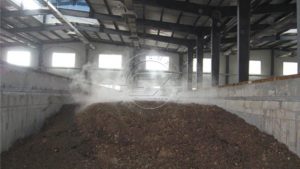
Fermentation Groove For Material Composting

Fermentation Groove For Material Composting

Sheep manure contains valuable nutrients such as nitrogen, phosphorus, and potassium, along with organic matter that can improve soil structure and water-holding capacity. These nutrients are essential for plant growth and can promote healthier, more productive plants. However, raw manure, including sheep manure, can also contain pathogens and weed seeds that could potentially harm your plants if not properly treated.

Before applying sheep manure directly to your garden, it’s recommended to compost or age it first. Composting is a process that involves breaking down organic materials through microbial activity. By composting sheep manure, you allow the microorganisms to decompose the manure, reducing the presence of pathogens and weed seeds while also creating a more balanced nutrient profile.

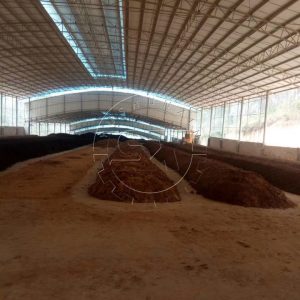
Chicken manure compost making workshop

Chicken manure compost making workshop

To compost sheep manure, start by creating a compost pile or using a compost turner. Mix the manure with other organic materials such as dry leaves, straw, or wood chips to provide carbon-rich matter that helps with decomposition. Turning the compost regularly and maintaining proper moisture levels will help accelerate the decomposition process. Over time, the composting process will transform the raw manure into a nutrient-rich, stable material that can be safely applied to your garden.

Composted sheep manure can be applied to the garden in various ways. One common method is top-dressing, which involves spreading a thin layer of compost on the soil surface around plants. This allows the nutrients to gradually release into the soil as the compost breaks down, providing a slow and steady supply of nutrients to your plants.

Another approach is incorporating the composted manure into the soil before planting. This can be done by mixing the compost with the top layer of soil using a garden fork or tiller. By thoroughly incorporating the compost, you ensure that the nutrients are evenly distributed and readily available to plant roots.

Compost making machine for animal manure

When applying sheep manure compost, it’s important to avoid over-application. While organic fertilizers are generally safer than synthetic ones, excessive amounts can still lead to nutrient imbalances or nutrient runoff, which may negatively impact the environment. Following the recommended application rates based on the specific needs of your plants and soil type is crucial for sustainabl and responsible gardening practices.

In conclusion, sheep manure can be a valuable resource for gardeners seeking organic and sustainable fertilizer options. However, it is advisable to compost or age the manure first to reduce the risk of pathogens and weed seeds. Composted sheep manure can be safely applied to your garden, providing essential nutrients and improving soil health. Remember to follow proper application techniques and rates to ensure optimal plant growth and environmental stewardship. By harnessing the power of sheep manure as a natural fertilizer, you can enhance the vitality and productivity of your garden while minimizing the use of synthetic chemicals.

You can check this page for more about !

How to Make Goat Manure Fertilizer

How To Turn Tons Of Goat Manure Into Compost Fertilizer In An Efficient Way?

Compost fertilizers are safe and effective, so there’s no wonder so many farmers prefer them to other products. Besides, turning animal manure into organic fertilizer is a great method to reuse waste. Apparently, goat manure is one of the best substances to fertilize crops, because it doesn’t attract insects or burn plants like cow or horse manure. If you want to know how to turn your goat manure into compost fertilizer, you’ve come to the right place. This article shows you one of the best methods.

The most important thing when composting goat manure is to closely watch the moisture, the temperature and the oxygen content of the raw matter. As composting occurs thanks to the action of microorganisms that consumer oxygen and water, you have to ensure that they have an optimal environment for doing their job. Temperature regulation is particularly important, because a too high temperature can harm these microorganisms.

The most efficient way to turn goat manure into compost fertilizer is to use a compost turner for fermentation. To start with, you’ll need to prepare the raw material for composting. If you decide to add various auxiliaries, you need to mix them into the manure and place the mix into fermentation grooves. You may also pile these matters up in rows. If you decide to use grooves, make sure that the height of the organic waste doesn’t exceed the height of the groove.

Once you’ve done all these, you need to find a way to regularly turn the compost pile throughout the entire fermentation process. This isn’t an easy task. In the first week, you’ll have to turn the compost several times a day. After the first week, turning the organic waste once every two days should be enough to obtain high quality compost fertilizer.

The efficiency of this process depends on the compost turner. This pieces of equipment should be as economical and as efficient as possible. This is why you have to be very careful when you shop around for the best machine. Always inform yourself on all details before making your choice. For instance, a windrow compost turner can be either the self-propelled type or the crawler type. Whatever your choice, you’ll only need one person to operate the equipment. These machines run on Diesel oil and they are best for goat farm manure treatment. There’s also another type of machine, the groove compost turner. This device features a stirring mechanism that turns the compost while the machine moves alongside the walls of the groove. Electrically controlled, this device requires only one operator to monitor the process.

When you run a goat farm, chances are your manure processing needs and much higher than the needs of a homeowner who only has a few goats. If you have multiple grooves, you may also need a transfer machine, in order to use the same compost turning device on all of them. This can be a very efficient way to turn huge volumes of goat manure into fertilizer.