How Can Poultry Waste Be Converted into Carbon-Rich Fertilizer with Modern Technology?

The utilization of chicken manure in modern agriculture has taken a significant turn with the advancement of technology. Transforming chicken manure into carbon-based fertilizer not only enhances soil fertility but also addresses waste management issues. This blog explores the raw materials suitable for carbon-based fertilizer production, outlines the processing procedure, and highlights essential machinery involved in this transformation.

What Raw Materials Are Ideal for Carbon-Based Fertilizer Production?

Chicken manure serves as a rich source of nutrients essential for plant growth. In addition to chicken dung, other raw materials can be incorporated into the carbon-based fertilizer production process. These include straw, wood chips, and various organic waste materials, which can enhance the carbon content of the final product. By combining these materials, producers can achieve a balanced nutrient profile, making the carbon-based fertilizer more effective.

The ideal mixture ratio often depends on the specific nutritional needs of the target crops. Chicken manure, with its high nitrogen content, complements carbon-rich materials like straw. This combination not only promotes microbial activity during fermentation but also improves the overall quality of the carbon-based fertilizer being produced. Understanding the properties of these raw materials is important for optimizing the production process.

biochar and chicken dung

biochar and chicken dung

What Machinery and Equipment Are Essential for Processing Chicken Manure?

The production of carbon-based fertilizer from chicken manure involves a series of specialized machinery. The first critical piece of equipment is the carbonization furnace, which facilitates the conversion of organic waste into charcoal. This process involves heating the chicken manure at high temperatures in an oxygen-restricted environment, resulting in carbon-rich products.

After carbonization, the material often requires processing through a crushing machine. A carbon fertilizer grinder machine helps in breaking down the charred chicken manure into a more manageable powdery form. This step is vital for ensuring uniform granulation in subsequent stages of production.

Granulators play a crucial role in transforming the powdered material into granules. Disc granulators, flat die granulators, and drum granulators are commonly used for this purpose. These machines apply pressure and moisture to the powdered chicken manure, resulting in the formation of uniform pellets. The size and shape of the granules significantly influence the fertilizer’s efficacy when applied to soil.

What Are the Key Steps in the Chicken Manure Processing Procedure?

The processing procedure for transforming chicken manure into carbon-based fertilizer includes several essential steps. Initially, raw materials undergo pre-treatment, which may involve drying to reduce moisture content. This step ensures better efficiency during the carbonization process.

Following pre-treatment, the chicken manure is subjected to carbonization. This step produces a carbonaceous material that is foundational for the final product. The resulting charcoal must then be crushed to a fine powder to facilitate easier granulation.

Once the material is in powdered form, a granulator is employed to produce granules. The granulation process not only improves the handling of the fertilizer but also enhances nutrient release when applied to soil. Subsequently, a drying machine may be used to reduce moisture levels in the final product, which is essential for storage and transportation.

Finally, packing machines are utilized to package the carbon-based fertilizer for distribution. This comprehensive processing procedure ensures that the chicken manure is effectively converted into a valuable carbon-based fertilizer, ready for use in agricultural applications.


In conclusion, transforming chicken manure into carbon-based fertilizer involves the careful selection of raw materials, the use of advanced machinery, and a structured processing procedure. By implementing efficient equipment like carbonization furnaces, crushing machines, and granulators, producers can create high-quality fertilizers that benefit both the soil and the environment. For manufacturers looking to enhance their production capabilities, considering advanced machinery from a professional fertilizer equipment manufacturer like Yushunxin can be a significant step forward. You can visit: https://www.charbasedfertilizermachine.com/product/chicken-dung-and-biochar-as-fertilizer/

What Are the Environmental Benefits of Using Carbon-Based Fertilizer from Poultry Manure?

Modern agriculture faces increasing pressure to reduce environmental burdens while maintaining soil fertility. Among many fertilizer products, carbon-based fertilizer from poultry manure receives growing attention due to its environmental performance and sustainable production process. When chicken dung or bird manure transforms into powdery or granular carbon fertilizer, the procedure not only solves livestock waste pollution but also provides long-term soil improvement benefits. In comparison with chemical fertilizer, this organic carbon fertilizer contains stable carbon particles that enhance soil structure, promote microbial activity, and reduce greenhouse gas emissions. Therefore, this type of fertilizer production combines waste recycling, carbon utilization, and clean manufacturing.


What Raw Materials Can Be Used for Carbon-Based Fertilizer Production from Chicken Manure?

In the preparation of carbon-based fertilizer, suitable raw materials play a decisive role. Chicken manure, as one of the main feedstocks, contains nitrogen, phosphorus, and potassium, together with abundant organic carbon. However, to improve the carbon content and pelletizing performance, producers often mix chicken dung with crop residues, rice husks, sawdust, straw powder, or charcoal powder. These carbon-rich additives help the final fertilizer granule maintain a stable structure during granulation and drying.

The processing procedure usually includes carbonization, crushing, mixing, and granulating steps. The carbonization furnace or biochar equipment converts raw materials into porous carbon powder, which acts as a carrier for nutrients. The crushing machine or carbon fertilizer grinder breaks dried chicken manure into fine powdery materials so that the following mixing and granulating stage can achieve uniform particle formation. When these powdered raw materials combine, the process creates ideal conditions for stable carbon-based fertilizer production with consistent nutrient content and carbon ratio. Through careful material selection, the factory reduces pollution from raw manure and maximizes the reuse of agricultural residues.

biochar and chicken dung

biochar and chicken dung


How Does the Chicken Manure Processing Procedure Improve Environmental Performance?

The chicken manure processing procedure for carbon-based fertilizer production focuses on odor control, nutrient conservation, and carbon fixation. During composting and drying, the compost machine stabilizes organic matter and eliminates harmful pathogens. The drying machine then removes excessive moisture from the powder or granule, preventing secondary fermentation or nutrient loss. The inclusion of carbon materials, such as biochar or powdered charcoal, locks nutrients inside micro-pores, thus minimizing nitrogen volatilization and leaching into groundwater.

In the granulation process, different granulators like the disc granulator, flat die granulator, or double roller extrusion granulator form uniform pellets or granules. These machines transform loose powder into stable particles, which reduce dust emissions and facilitate transportation. The pelletizing or ball-making process not only helps storage but also ensures that nutrients release gradually in the soil. As a result, the overall production line lowers the risk of environmental contamination and enhances the sustainable use of poultry waste.


What Machine Features Support Efficient Carbon-Based Fertilizer Manufacturing?

Each stage of carbon-based fertilizer manufacturing requires reliable equipment. The carbonization furnace determines the carbon quality and porosity; the crushing machine ensures powder uniformity; and the granulator shapes the final fertilizer granule or pellet. Advanced pelletizers maintain steady granule size and reduce fuel use during pelletizing. Automated control systems in these machines monitor temperature, moisture, and rotation speed, allowing customers to keep stable production conditions.

The integration of drying and packing machines further improves efficiency. A drying machine shortens the dehydration time, while a packing machine ensures clean packaging without pollution. Through these coordinated processes, the whole chicken manure carbon fertilizer production line demonstrates not only clean energy use but also effective resource recycling. Manufacturers and customers both gain environmental and economic benefits when adopting high-quality equipment for carbon-based fertilizer production from poultry manure.


Conclusion

The utilization of chicken manure for carbon-based fertilizer production represents a comprehensive environmental solution. The process converts waste into valuable carbon fertilizer granules, reduces greenhouse gas emissions, and improves soil health. By selecting suitable raw materials such as chicken dung, straw powder, and charcoal powder, and by using efficient machinery including carbonization equipment, crushing machines, and granulators, producers can achieve cleaner fertilizer manufacturing.

This continuous and systematic production procedure demonstrates how environmental protection and industrial development can progress simultaneously. For customers seeking reliable fertilizer equipment and complete technical support, a professional fertilizer equipment manufacturer—Yushunxin—offers specialized machines and integrated production lines to enhance the sustainable development of carbon-based fertilizer from poultry manure. You can visit: https://www.charbasedfertilizermachine.com/product/chicken-dung-and-biochar-as-fertilizer/

What Are the Latest Technologies in Granulation for Carbon-Based Fertilizer Production from Chicken Manure?

The continuous development of granulation technology promotes the efficient transformation of chicken manure into high-value carbon-based fertilizer. When producers deal with bird manure or chicken dung, they face challenges such as high moisture content, odor emission, and uneven powder texture. Modern carbon-based fertilizer production technology focuses on improving the granulation procedure, enhancing the stability of organic carbon, and achieving uniform fertilizer granules or pellets. In the current market, advanced carbon fertilizer production lines integrate multiple stages—crushing, carbonization, granulating, drying, and packing—so that the entire process becomes cleaner, more controllable, and more energy-efficient.


What Raw Materials Can Support Carbon-Based Fertilizer Production from Chicken Manure?

Chicken manure serves as the main organic source for carbon-based fertilizer production, but other materials also play key roles in the formulation process. For example, straw powder, rice husks, sawdust, and crop residues can enhance the carbon ratio during carbonization and strengthen the structural consistency of powdery mixtures. Bird dung mixed with biochar powder or powdered humic substances increases nutrient retention and promotes better granule formation during the carbon fertilizer granulating procedure. Some producers also add bentonite or zeolite powder to improve particle hardness and stability. Through balanced blending, the carbon-based fertilizer manufacturing process achieves a consistent raw material composition before entering the granulator or pelletizer section. Therefore, the selection and preparation of raw materials directly influence the performance of the final carbon-based fertilizer granules or pellets.


How Do Advanced Granulation Machines Optimize the Carbon-Based Fertilizer Production Procedure?

The granulating stage determines the particle shape, density, and nutrient balance of carbon-based fertilizer from chicken manure. With new technology, modern equipment, such as a disc granulator, double roller extrusion granulator, or drum pelletizer, transforms fine powder into spherical granules or uniform pellets. In the current carbon-based fertilizer production line, the crushing machine first converts carbonized chicken dung into fine powder. Then, the granulator machine mixes this powdered material with a binder or moisture adjustment solution to promote uniform granule formation. After the granulation process, a drying machine and cooling system stabilize the particles, while a packing machine finalizes the carbon fertilizer manufacturing procedure. High automation levels in these machines significantly reduce labor input and operational errors. In addition, the granulating machinery enhances the utilization rate of carbon materials, ensuring that each pellet maintains consistent nutrient content and hardness, which meets both agricultural and environmental requirements.


Which Technological Innovations Support Efficient Carbonization and Raw Material Preparation?

Before granulation, the carbonization equipment plays a decisive role in converting chicken manure into carbon-rich material. The carbonization furnace or biochar production reactor controls temperature and oxygen levels, producing a stable carbon matrix suitable for further granulation. A carbon fertilizer grinder machine improves the surface area and powder fineness of the carbonized material, ensuring better mixing during granule preparation. Meanwhile, compost machines accelerate the organic decomposition process, converting raw bird manure into mature compost ready for carbonization. These integrated technologies form a closed-loop carbon-based fertilizer production system where each unit—carbonization, crushing, granulating, and drying—supports smooth material flow. The combination of powder preparation and pellet making ensures minimal nutrient loss and stable carbon retention in every fertilizer granule, making the production procedure more sustainable and efficient.


Conclusion

The continuous innovation of granulation technology changes how producers transform chicken manure into high-quality carbon-based fertilizer. From powder preparation and carbonization to pelletizing and drying, each production procedure contributes to higher efficiency and better product performance. The use of modern machines such as granulators, carbonization furnaces, and crushing equipment ensures uniform particle size and consistent carbon content in every batch of fertilizer granules. With the growing demand for environmentally friendly fertilizer manufacturing, producers increasingly rely on intelligent, automated, and energy-saving machinery.

A professional fertilizer equipment manufacturer—Yushunxin—provides integrated solutions for carbon-based fertilizer production from chicken manure, offering advanced granulation machinery, carbonization equipment, and complete process design that help producers achieve efficient, stable, and sustainable fertilizer manufacturing. You can visit: https://www.charbasedfertilizermachine.com/product/chicken-dung-and-biochar-as-fertilizer/
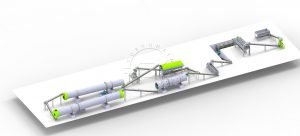
How Is a Pelletizer Used in the Production of Biochar from Chicken Manure?

The production of carbon-based fertilizer from chicken manure has become an important solution for managing poultry waste and improving soil quality. In this process, pelletizer equipment plays a crucial role in transforming powdered chicken dung into uniform biochar granules. Understanding the specific procedures and machinery involved in granulating chicken manure is essential for those seeking efficient and sustainable fertilizer production.


What Raw Materials Are Suitable for Carbon-Based Fertilizer Production from Chicken Manure?

The selection of raw materials significantly impacts the quality and efficiency of carbon-based fertilizer production. In addition to fresh chicken dung, producers often use a mixture of various organic and inorganic materials. Commonly used raw materials include bird manure, poultry droppings, and agricultural residues such as rice husks, straw, and sawdust. Some processes incorporate additional carbon sources like wood chips or bio-waste to enhance the carbon content. These ingredients ensure that the resulting powder or powdery mixture contains sufficient nutrients and organic matter for effective biochar granulation. The blending and preparation of these materials form the foundation of the production procedure, directly affecting the pelletizing results.

biochar and chicken dung

biochar and chicken dung


How Does the Chicken Manure Processing Procedure Work Before Pelletizing?

A systematic approach is vital for efficient chicken manure biochar granulation. The processing procedure begins with the collection and composting of raw chicken dung. Composting machines accelerate decomposition, reducing pathogens and odors in the manure. After composting, a crushing machine or carbon fertilizer grinder machine reduces the composted material to a uniform powder or powdery consistency. Fine particle size is essential for subsequent granulation, as it improves mixing and pellet formation. Sometimes, a drying machine removes excess moisture, ensuring the powdered chicken manure maintains optimal humidity for pellet making. These steps prepare the raw materials for efficient pelletizing, which is central to carbon-based fertilizer manufacturing.


What Features Does a Pelletizer Offer in the Granulation of Biochar from Chicken Manure?

Pelletizer equipment is specially designed to convert powdered or powdery chicken manure and carbon-rich materials into uniform granules or pellets. Different types of pelletizers are available for carbon-based fertilizer production, including disc granulators, flat die granulators, double roller extrusion granulators, and drum granulators. Each type offers unique features to suit specific production requirements. For example, a disc granulator provides adjustable inclination and rotation speed for controlling particle size, while a flat die granulator is suitable for low-temperature pelletizing, preserving biochar properties. Drum granulators handle large production volumes and ensure continuous pellet making. The pelletizer operates with high efficiency, stable running, and consistent granule formation, which are critical factors in the overall quality of biochar-based fertilizer.


How Do Other Carbon-Based Fertilizer Machines Integrate with Pelletizer Equipment?

In practical production, multiple machines work in conjunction to ensure smooth biochar granulation from chicken dung. Carbonization equipment or a carbonization furnace is used to convert organic materials into biochar through a controlled heating process. After carbonization, a crushing machine or grinder further reduces the charred materials to a fine powder, suitable for subsequent granulation. Pelletizer machinery then transforms this powdery chicken manure and char mixture into uniform fertilizer particles. Finally, a drying machine removes excess moisture from the pellets, and a packing machine efficiently packages the finished biochar granules for storage and transportation. By integrating these machines, producers achieve a streamlined, automated workflow for high-quality carbon-based fertilizer production.


Conclusion

In summary, efficient production of carbon-based fertilizer from chicken manure requires careful raw material selection, a systematic processing procedure, and the integration of advanced pelletizer equipment. Starting with suitable raw materials such as chicken dung and agricultural residues, the process involves composting, crushing to a powdery state, carbonization, and precise granulation. Pelletizer machinery plays a central role in shaping powdery chicken manure into high-value biochar pellets, while supporting equipment such as composters, crushers, dryers, and packing machines contribute to overall efficiency. For clients seeking reliable solutions, a professional fertilizer equipment manufacturer like Yushunxin can provide comprehensive machinery and technical support for sustainable chicken manure biochar granulation. You can visit: https://www.charbasedfertilizermachine.com/product/chicken-dung-and-biochar-as-fertilizer/

Chicken manure drum granulator production line

The chicken manure drum granulator production line is an efficient and eco-friendly method to convert chicken manure into organic fertilizer. This production line utilizes a drum granulator, a vital piece of equipment that transforms raw chicken manure into granules suitable for agricultural use. The process involves several stages, each contributing to the overall efficiency and effectiveness of the production line. Let’s explore the key steps and components of this innovative production line.

Raw Material Collection and Preparation

The first stage in the chicken manure drum granulator production line is the collection and preparation of raw materials. Chicken manure is gathered from poultry farms and undergoes preliminary treatment to remove impurities such as feathers, bedding, and excess moisture. The goal is to obtain a homogeneous and nutrient-rich mixture that can be processed efficiently.

Solid-Liquid Separation

Once the raw material is prepared, it is subjected to solid-liquid separation. This step involves the use of a dewatering machine, which separates the solid and liquid components of the manure. The liquid portion, known as the digestate, can be further processed into biogas or used as a liquid fertilizer. The solid fraction, which contains the majority of the nutrients, moves on to the next stage.

Fermentation and Composting

The separated solid fraction of chicken manure is transferred to a fermentation area where it undergoes composting. Composting is a natural process that utilizes microorganisms to break down organic matter and convert it into a stable and nutrient-rich material. During composting, the temperature, moisture, and oxygen levels are carefully controlled to facilitate the decomposition process. This stage plays a crucial role in eliminating pathogens and weed seeds, ensuring the final product is safe and of high quality.

Granulation Process

After the composting process, the material is ready for granulation. The chicken manure drum granulator is the main equipment used for this purpose. The drum granulator consists of a large rotating drum lined with a special rubber lining. As the drum rotates, the material inside adheres to the lining due to the centrifugal force. Meanwhile, a liquid binder is sprayed onto the material to enhance granule formation and provide additional nutrients.

Drying and Cooling

Once the granulation process is complete, the newly formed granules contain some moisture and are at an elevated temperature. To ensure long-term storage stability and reduce moisture content, the granules are sent to a drying system. The drying process involves the use of hot air, which removes excess moisture and lowers the temperature of the granules. Subsequently, the granules are passed through a cooling system to achieve ambient temperature and prevent clumping during storage.

Screening and Packaging

Following drying and cooling, the granules are screened to remove any oversized or undersized particles, ensuring a consistent and uniform product size. This stage helps to maintain product quality and facilitates easy application. Finally, the screened granules are ready for packaging. They can be packed in bags or stored in bulk, depending on the requirements of end users.

granulation fertilizer production to manage chicken manure

granulation fertilizer production to manage chicken manure

Advantages of Chicken Manure Drum Granulator Production Line

The chicken manure drum granulator production line offers several advantages compared to traditional methods of chicken manure disposal. Firstly, it provides a sustainable solution for managing poultry waste by converting it into valuable organic fertilizer. This not only reduces environmental pollution but also contributes to the circular economy.

Furthermore, the drum granulator production line ensures the efficient utilization of nutrients present in chicken manure. The granules produced are rich in nitrogen, phosphorus, and potassium, along with other essential micronutrients. These nutrients are released slowly, promoting healthy plant growth and minimizing the risk of nutrient leaching.

In addition, the granules produced through this production line have excellent handling properties. They are dust-free, easy to store, and convenient to apply using traditional fertilizer spreading equipment. This makes them highly suitable for large-scale agricultural operations. You can visit https://www.fertilizerproductionproject.com/rotary-drum-granulator-fertilizer-production-line/ for details.

Conclusion

The chicken manure drum granulator production line is a comprehensive and sustainable solution for converting chicken manure into organic fertilizer. By employing various stages, including raw material preparation, solid-liquid separation, fermentation and composting, granulation, drying and cooling, screening, and packaging, this production line efficiently transforms waste into a valuable resource. The resulting granules are nutrient-rich, environmentally friendly, and offer numerous benefits for agricultural applications. By implementing this production line, poultry farms can effectively manage their waste while contributing to the overall sustainability of the agricultural industry.

Groove Type Compost Turner for Disposal of Chicken Manure

Groove Type Compost Turner is a machine used for the disposal of chicken manure in your groove type composting system. Chicken manure is a byproduct of poultry farming and is known to be rich in nitrogen, phosphorus, and potassium. While it is a valuable resource for farming, it can also pose a threat to the environment and human health if not properly disposed of. The Groove Type Compost Turner is a solution to this problem as it helps to convert chicken manure into a nutrient-rich compost that can be used as fertilizer.

groove type compost turner

How Does Groove Type Compost Turner Work for Chicken Manure Disposal?

The groove type compost turner works by scooping up the chicken manure and moving it to the next groove or trench. The machine is designed to be self-propelled and can move along the groove or trench without any external power source. As the machine moves along the groove or trench, it turns the chicken manure, allowing it to decompose naturally.

The machine is equipped with blades that chop up any large pieces of chicken manure, making it easier to decompose. The blades also help to mix the chicken manure with other organic materials, such as straw or leaves, which helps to accelerate the decomposition process.

The machine is designed to be adjustable, allowing the operator to control the depth of the scoop and the speed of the machine. This makes it possible to tailor the composting process to the specific needs of the farm.

Tips for Using a Groove Type Compost Turner

To ensure the best results when using a Groove Type Compost Turner, there are a few tips to keep in mind. Firstly, it is important to maintain the right balance of carbon and nitrogen in the compost pile. This can be achieved by mixing the chicken manure with other organic materials such as leaves, straw, or sawdust. Secondly, it is important to keep the compost pile moist but not too wet. This will help to create the right conditions for the microorganisms to break down the organic matter. Finally, it is important to monitor the temperature of the compost pile regularly. The ideal temperature range for composting is between 130-160°F (55-71°C).

Why Use  Groove Type Compost Turner for Chicken Manure Disposal?

Chicken manure is a valuable resource for agricultural purposes, but it can also pose a significant environmental threat if not properly managed. The disposal of chicken manure is essential to reduce the environmental impact of this waste product. Using a groove type compost turner for chicken manure disposal offers several benefits:

  1. Efficient Use of Space

Groove type compost turners require less space compared to other methods of chicken manure disposal. This makes them ideal for small farms or areas where space is limited. The machine can be easily integrated into existing farm operations without disrupting other activities.

  1. Time-Saving

Groove type compost turners are designed to save time and labor in the chicken manure disposal process. The machine can be operated by a single person and eliminates the need for manual turning. This makes it possible to process large quantities of chicken manure in a short amount of time. If you use it in your fertilizer production plant, it is also the best choice.

  1. Environmental Benefits

Chicken manure contains high levels of nitrogen and phosphorus, which can be harmful to the environment if not properly managed. By using a groove type compost turner, the chicken manure is turned into compost, which can then be used as a natural fertilizer. This reduces the need for chemical fertilizers, which can be harmful to the environment.

  1. Cost-Effective

Using a groove type compost turner for chicken manure disposal is cost-effective in the long run. The machine can help reduce labor costs and can also help generate revenue by selling the compost produced.

In conclusion, the Groove Type Compost Turner is an effective solution for disposing of chicken manure and converting it into a valuable resource for crop production. The machine promotes the growth of beneficial microorganisms and speeds up the composting process, reducing the odor associated with the manure and producing a nutrient-rich organic fertilizer. By using a Groove Type Compost Turner, farmers can reduce their environmental impact and save money on synthetic fertilizers.

Click here:https://www.fertilizerproductionproject.com/how-to-dispose-of-chicken-poop/

Email:info@fertilizerproductionproject.com


How To Compost Your Chicken Manure

Chicken manure, which is their waste, might be a wonderful method to enhance the nutrient content of your plant. This organic fertilizer is rich in vital elements like phosphorus and nitrogen, which can aid in promoting the growth of strong plants and vegetables. Chicken dung is entirely natural and much healthier for the environment than certain artificial fertilizers. Additionally, it can increase the soil’s capacity to retain air and water, making your plants more drought-tolerant.

When it comes to composting chicken manure, you need to be sure you are doing it right for the best results. Proper chicken manure management is key to creating a quality compost that is filled with beneficial nutrients for your plants. To start, collect and store the manure in a covered area away from other animals. You can then use a shovel to move the manure to a designated compost pile, making sure to spread it out evenly for the most efficient breakdown. To speed up the decomposition process, you can also mix in other organic materials such as leaves, grass clippings, and food scraps. This will create a more balanced compost and introduce a variety of beneficial organisms to the mix. Finally, regularly turning and mixing the compost will help to aerate the material and ensure that all of the different organic materials are properly combined and receive adequate levels of oxygen.

commercial composting machine for sale

windrow composting machine in organic ferilizer plant

Benefits of Chicken Manure

Chicken manure is an incredibly versatile and beneficial resource for any garden or farm. Not only can it be used to nourish your soil, but it can also be used to deter pests, add nutrients, and create a healthier and more robust environment for plants to thrive in. Here are some of the fantastic benefits of incorporating chicken manure into your garden or farm:

  • Improved Soil Quality: Chicken manure can add essential nutrients to your soil, such as phosphorus, nitrogen, and potassium, which are all essential for healthy and productive plants. Additionally, manure helps improve the pH levels of your soil, ensuring that your plants are able to absorb the nutrients that are present.
  • Rich in Nutrients: Chicken manure is jam-packed with nutrients, including nitrogen, phosphorus, and potassium, that are essential for healthy plant growth. These nutrients are readily available for absorption by plants, making chicken manure an ideal fertilizer.
  • Compostable: Chicken manure is a great source of compost material. When composted, it can help create a nutrient-rich environment for your plants.
Windrow Composting Machine in SX Multi Manure Composting Process Plant

Windrow Composting Machine in SX Multi Manure Composting Process Plant

Chicken Manure Safety Tips

Composting chicken manure is an incredibly helpful activity for your garden and environment – but it’s also important to exercise caution when doing so. Here are some top tips for composting chicken manure safely:

  • Make sure you’re wearing gloves and protective clothing when handling chicken manure. This will stop the spread of any potential contaminants or bacteria.
  • Compost your chicken manure in a well-ventilated area, away from the house, to prevent any unpleasant odors from wafting into your home.
  • Add other organic materials to your compost piles, such as leaves, grass clippings, or other organic kitchen waste. This will help to speed up the composting cycle.

Now, check our website for more about chicken manure composting and get an affordable chicken manure disposal machine! https://organicfertilizerproductionline.com/chicken-manure-management/

How Can You Select The Right Chicken Manure Pelleting Equipment?

If you’re planning to invest in granulating machine for chook dung, you’ll want to make sure that the machinery you select lives up to your expectations. How can you make sure you purchase equipment that will do everything you need it to do? If you’re hoping to find budget-friendly options that meet all your requirements, these are some of the tips you’ll want to remember.

Working With a Great Seller Will Give You Better Options

If you source your equipment from a reputable seller, you’ll be able to trust that the equipment you’re buying meets certain standards of quality. The best sellers are typically very careful about who they work with. Highly-rated sellers are also able to give you more information if you need it.

A lack of options can be very frustrating, especially if you’re looking for something specific. That’s why it’s a wise idea to connect with some of the most respected sellers that offer what you need. Not only will buying from one of the best sellers help you to purchase excellent equipment, but it’s also likely that it will lead to a smoother shopping experience for you.

Chicken Dung Processing Machine for Pelleting

Stirring tooth granulating machine disposes chicken manure into quality organic fertilizer.

Make Sure You Know Exactly What You Need

You can’t just focus on finding equipment that meets certain quality standards. There are a number of other factors that you’ll also want to keep in mind. You should think carefully about how you’re going to be using the equipment that you buy. What are your production goals? What sort of budget are you working with. Once you have the answers to those questions, you’ll have a better idea of what you should be looking for.

You should be focused on finding equipment that’s suitable for you. That’s why you’ll want to evaluate your needs carefully and spend some time thinking about what you want out of the equipment you buy. When you know exactly what you’re looking for, you’ll know when you’ve found it.

Buy Equipment That Was Produced By A Respected Brand

When you’re evaluating the quality of chicken manure making granules machine , it can be particularly helpful to look at the company that manufactured that equipment. By learning more about the company behind a piece of equipment, you can confirm that the machinery is likely to live up to your standards. Read the company’s website and find out what others in your industry have to say about certain brands.

It can be difficult to build and maintain a reputation, especially for a company that produces pelleting equipment for chicken feces. If a brand has a long history of success, you can safely assume that there’s an excellent reason for that. Make sure you buy your equipment from a company that you can depend on.

Don’t overlook any of these suggestions if you’re in the market for chicken manure pelleting equipment. There are a number of excellent options on the market today, and there’s a strong chance that you’ll be able to get what you’re after at the right price. Don’t settle for sub-par equipment. Instead, invest in machinery that’s capable of exceeding your expectations.

When you want to get latest information of our chicken dung granulator, please visit here now. The following contact information will help you to connect with us.

E-mail: info@fertilizerfactorymachine.com
TEL: + 86 180 3757 2883

Technique Of Making Chicken Compost Manure

Are you currently a farmer? Have you ever realized the benefits of rearing domestic animals? They might include chicken among numerous others. How will you make do in the animal waste? Are you currently knowledgeable about the entire process of composting it? It needs to be utilized in the growing of crops because it will make them grow into healthy plants. In such a case manure is multi-purpose. Imagine having both domestic animals and plants-the huge benefits is going to be overwhelming! You may also plan to sell it in exchange for money. The points that follow show the whole process of making chicken compost manure by using a compost windrow turner.

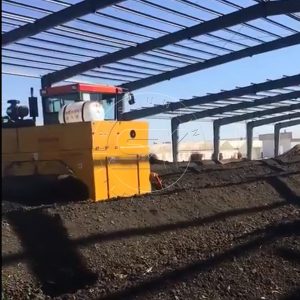
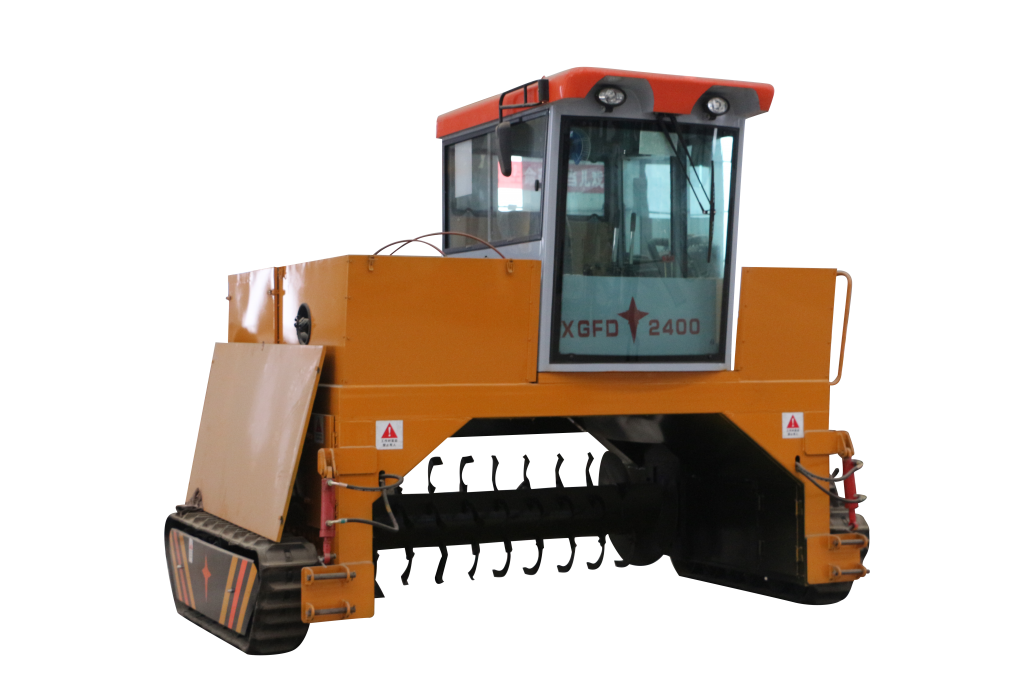
ShunXin Crawler Type Compost Turner for Windrow Composting

ShunXin Crawler Type Compost Turner for Windrow Composting

The Preparations Of Composting.

Proceed to the place where your chicken shelter then you collect the manure. Simply because it will have dried, you will have to adjust the amount of moisture to 50% to 60%. Which is the most suitable level. After that you will need to search for C-rich organic waste. This can include straw powder, sawdust, wood shavings alongside many others. You will need to mix the C-rich organic waste with all the manure until they have blended in completely. Chicken manure when put together with straw power the C/N ratio is adjusted to (25:1). Within the preparation raw materials will not be the sole factors considered. You might need a shelter to place the compost pile to ensure that it will not be afflicted with bad varying weather conditions.

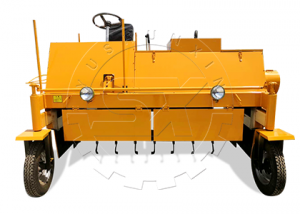
Moving Type Compost Turner for Windrow Composting

Moving Type Compost Turner for Windrow Composting

Make A Compost Pile.

The dimensions ought to be proper. After you have collected the chicken manure you should stack it in fermentation grooves. However, piling it in up in long rows is extremely easy. You should consider the place that you put aside for this work. Make sure you put in mind how big the compost pile-it matters! Its length is determined by the size of the space you may put aside for composting. The composting windrows turner has a width of 2 Meters to 3 Meters and a height of .6 Meters to 1.8 Meters. The fermentation groove as well as the turner come together to blend the compost pile often. The previous is commonly used to preserve heat and it is made up of three walls with a flexible volume-it can be that you should decide. The groove also uses less space.

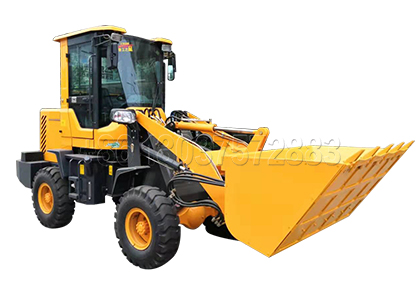
Forklift Compost Turner for Windrow Composting

Forklift Compost Turner for Windrow Composting

Turn The Pile Regularly.

This is certainly required for adjusting the fermentation conditions. A compost pile starts the fermentation process right after it really is made since the temperature increases quickly. As soon as you keep in mind that the temperature has reached 60-70 degrees, you will end up needed to turn it. During the first stage the organic materials are a lot hence one need to turn the compost pile twice or thrice every day. Right after the organic materials lessen the turning also reduces to once by two days. If the raw materials become black and loose as well as the temperature becomes constant, it is going to mean that the fermentation process will be done. There is no need to make use of it instantly. You are able to stack the pile for several days before you use it.How does Shunxin windrow compost turner can turn your chicken manure into compost quickly, you can go here to take a visit.

The aforementioned points have already been well explained to help anyone who must make their own personal chicken compost manure. Keep to the process to get a good outcome. Details of compost widnrow turner in chicken manure composting, welcome to https://compostturnermachine.com/compost-windrow-turner/